Accu Clean Environmental
Licensed environmental remediation company specializing in mold removal, asbestos removal, and water damage for residential and commercial properties across the West Valley.
Compare ratings, reviews, and services from the best mold remediation contractors serving Luke Air Force Base and the surrounding area — then get matched with a free, no-obligation quote.
Comparing top-rated mold removal companies serving Luke Air Force Base, ArizonaLuke Air Force Base sits in the West Valley west of Glendale, and mold removal here is usually a tenancy problem before it is a building problem. Between privatized family housing on base and the airmen and families renting off base in Glendale, Litchfield Park, Waddell, El Mirage, and Surprise, the person who finds the musty smell is very often not the person who can authorize the repair.
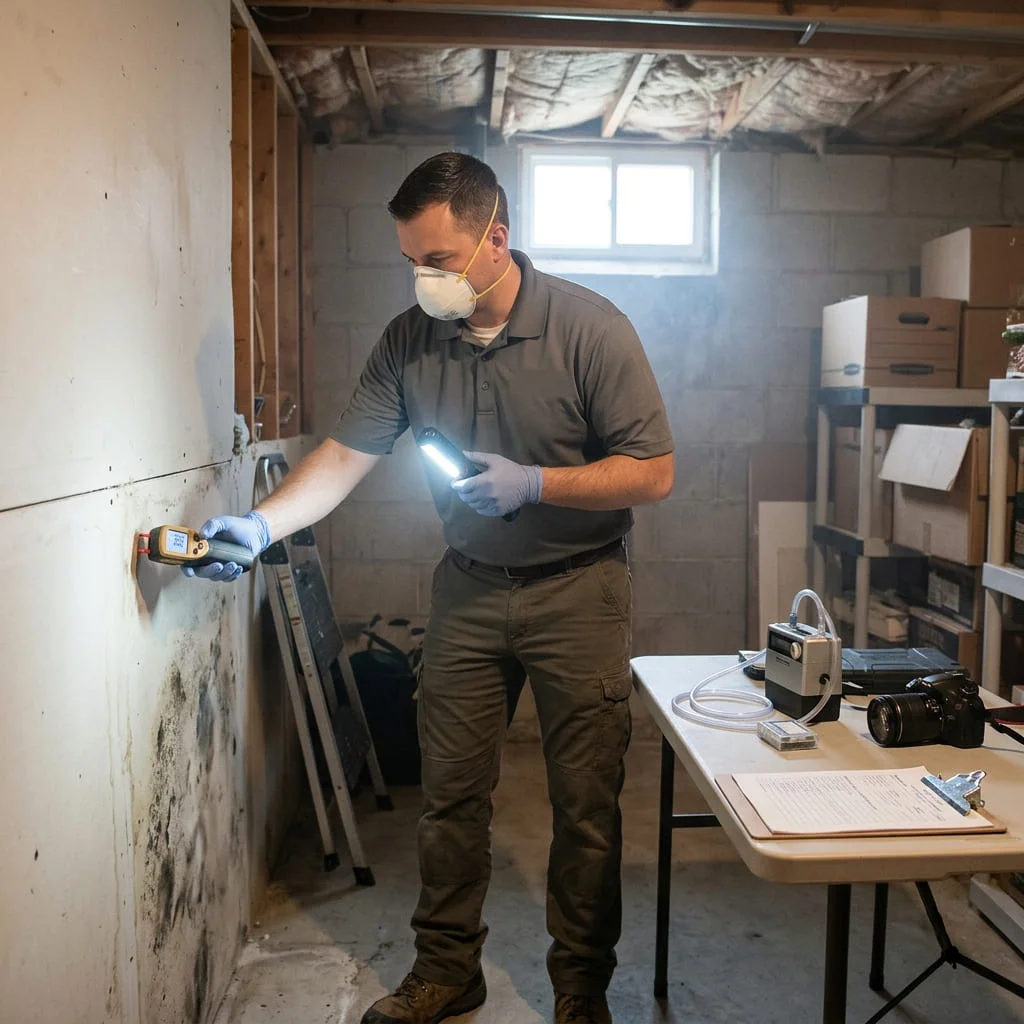
That changes what a good response looks like. Documentation, written notice, and an assessment that is independent of whoever is being asked to pay for the work matter more here than almost anywhere else in the valley. Arizona Mold Pros compared the mold removal companies covering the Luke AFB area so you can weigh coverage, response time, and whether a firm offers testing separately from removal — the option that protects a renter. Start with mold inspection and testing if you need an independent opinion, or with mold remediation and water damage restoration if the source is already known.
Last Updated: July 2026
Every company listed below is evaluated on customer reviews, Google ratings, licensing and insurance status, response time and availability, the range of mold services offered, and experience with Arizona-specific mold issues like monsoon moisture and swamp cooler condensation. We only feature companies that actively serve the Luke Air Force Base area.
Verified Google ratings and the volume and consistency of homeowner reviews.
Companies that carry the licensing and insurance Arizona homeowners should expect.
How quickly a company can be on site — including 24/7 emergency coverage.
Inspection, testing, remediation, and water damage restoration under one roof.
Familiarity with monsoon moisture, swamp cooler condensation, and desert construction.
Only companies that actively serve the Luke Air Force Base area make our list.
Licensed environmental remediation company specializing in mold removal, asbestos removal, and water damage for residential and commercial properties across the West Valley.
National brand with local ownership serving the West Valley including Litchfield Park, Tolleson, Avondale, and Goodyear for mold remediation and water damage.
Phoenix-based mold cleanup specialists operating 7am to 10pm seven days a week, covering the entire Phoenix metro area.
Professional mold remediation company using advanced moisture detection to eliminate mold and prevent recurrence. Serves Phoenix, Mesa, Chandler, Gilbert, and beyond.
Quality-focused restoration company specializing in mold remediation, water damage, and insurance claim assistance for residential properties.
| Service | Average Cost Range |
|---|---|
| Mold Inspection | $300 – $600 |
| Small Area Remediation (under 50 sq ft) | $1,500 – $3,500 |
| Medium Remediation (50–200 sq ft) | $3,500 – $6,000 |
| Full Home Remediation (200+ sq ft) | $5,000 – $10,000 |
| Attic Mold Removal | $2,000 – $6,000 |
| Crawl Space Mold Removal | $2,500 – $7,000 |
| Black Mold Removal | $3,000 – $8,000 |
| Commercial Mold Remediation | $5,000 – $25,000+ |
Costs in Luke Air Force Base can vary depending on the size of the affected area, type of mold, accessibility, and whether structural repairs are needed. Arizona's dry climate means mold often concentrates around specific moisture sources — monsoon water intrusion, swamp cooler leaks, or plumbing failures — rather than spreading across entire homes. We recommend getting at least 3 quotes from licensed contractors to compare pricing.
Compare free quotes from top Luke Air Force Base mold removal companiesThe first factor around Luke Air Force Base is that most of the housing is rented rather than owned, and that governs the entire process. In privatized on-base family housing, mold and moisture go through the housing office as a maintenance request, and the Military Housing Privatization Tenant Bill of Rights gives residents a documented way to report problems and escalate when a response is inadequate. The practical takeaway is simple: put every report in writing, keep your own copy, and photograph the affected area with a date before anyone touches it.
Off base, Arizona's Residential Landlord and Tenant Act requires a landlord to keep the premises in a fit and habitable condition, and the remedies available to a tenant generally depend on having given proper written notice first. A text message to a property manager is easy to lose. A dated written notice with photographs attached is the record that makes everything after it work, and it is the single most useful thing a renter near Luke AFB can do in the first hour.
The second factor is the assignment cycle. PCS moves, deployments, and TDY leave houses around Luke Air Force Base empty at exactly the wrong time of year. A home that sits closed through a Phoenix summer between tenants — thermostat set high or switched off entirely to hold down the bill — has nobody in it to notice a weeping water heater, a toilet supply line seeping behind a wall, or the clogged air conditioning condensate line quietly overflowing into a ceiling or an air handler closet.
By the time the next family opens the door, a leak that started in June has had a full season to work. An incoming resident should treat the first walkthrough as an inspection rather than a formality: look under every sink, at the base of the water heater, around the washer box, and at the ceiling below any attic-mounted equipment, and get anything questionable written into the move-in condition report. Damage documented on arrival is not damage you argue about at your next move-out.
Third is the building stock, which is ordinary West Valley construction with ordinary West Valley weak points. Much of the housing in and around the base area is stucco over frame with tile roofs, built and renovated across several decades, and the classic failure points are penetrations — where a hose bib, a dryer vent, a window flange, or a pipe passes through the stucco and the sealant has aged out. Water enters an inch at a time and travels inside the wall where nothing is visible.
Above the ceiling, air conditioning ductwork running through an attic that reaches well over 150 degrees in July sweats wherever insulation has slumped, torn, or been disturbed by an earlier repair, and that condensation drips onto drywall for months without a drop of rain falling. Evaporative coolers, still common on older homes in the surrounding neighborhoods, push humid air through the house all summer. Together these are the routine paths to attic mold removal and, once growth has been established long enough in a dark cavity, to proper black mold removal.

Report it in writing on day one, whether that is a work order through the housing office or a written notice to an off-base landlord, and keep a copy for yourself. Photograph the growth, the surrounding wall or ceiling, and anything that shows the moisture source, and note the date on each. Ask specifically for a moisture assessment rather than a cleaning: a wipe-down with disinfectant treats the visible surface and leaves whatever is feeding it inside the wall, which is why the same spot reappears in the same place a few weeks later.
For anything beyond a small area, an assessment paid for by the resident and performed by a company that is not doing the removal is worth the money. Independence is the whole point — the party writing the report should not be the party whose repair bill depends on the finding. The same logic applies at the other end of the job: post-remediation verification carries far more weight when the sampling is done by someone other than the crew that tore out the drywall. When you compare companies below, it is a fair question to ask up front whether a firm does testing only, removal only, or both.
Keep the health side documented too. If someone in the household has worsening respiratory symptoms or allergies that ease when they are away from the house, get it into their medical record with dates, because a contemporaneous record is evidence and memory is not. And if a report stalls or the response is plainly cosmetic, base legal assistance can walk you through the options open to a tenant in Arizona — well before it becomes a dispute you are trying to run from a new duty station.
Arizona Mold Pros can point you toward a licensed contractor covering the base area. Nearby comparisons on this site include mold removal companies in Litchfield Park, El Mirage, and Waddell, and several firms cover all of them. You can also browse all service areas or get in touch.
The most obvious sign is visible growth — black, green, or white spots spreading across walls and ceilings, under sinks, or around window frames. But mold in Luke Air Force Base homes often hides, so a persistent musty or earthy odor in a bathroom, closet, or other enclosed space is just as important to take seriously. That smell usually means moisture is feeding something you can't yet see.
Context matters too. If your Luke Air Force Base home has had recent water damage, flooding, or a plumbing leak, mold can begin growing within 24 to 48 hours. Watch for peeling paint, bubbling wallpaper, or discoloration on surfaces, and pay attention to condensation collecting on windows or walls. Unexplained respiratory symptoms, worsening allergies, or headaches that ease when you leave the house can also point to a hidden mold problem.
If you notice any of these signs in your Luke Air Force Base home, contact a licensed mold remediation professional for an inspection before the problem spreads.
A quality mold removal company in Luke Air Force Base starts with an inspection and assessment to identify the type of mold and the extent of the problem. Once the scope is clear, the crew contains the affected area with plastic sheeting and negative air pressure so spores don't spread to clean parts of the house, then runs HEPA air filtration to capture anything airborne.
From there, the actual remediation begins: physical removal of mold using antimicrobial treatments and scrubbing, followed by thorough drying and dehumidification of the affected areas. Any damaged materials — drywall, insulation, or flooring — are repaired or replaced, and reputable contractors finish with post-remediation testing to confirm mold levels are back to normal.
The best mold removal companies serving Luke Air Force Base will provide a detailed scope of work and walk you through each step before starting any remediation.
Mold remediation is one of the few home services where the homeowner carries most of the verification burden. These four checks apply to every contractor on this page, and they are worth running before you sign anything.
Arizona does not issue a license specifically for mold remediation. Crews generally work under an Arizona Registrar of Contractors (ROC) license instead, which means verifying a contractor's ROC status and insurance is on the homeowner rather than on the state.
Check a license at the Arizona ROC →EPA guidance suggests that mold covering roughly more than 10 square feet is generally beyond a do-it-yourself cleanup and warrants professional remediation. Smaller patches can often be handled yourself — provided you have also fixed the moisture source feeding them.
EPA mold cleanup guidance →The ANSI/IICRC S520 standard is the widely recognized standard of care for professional mold remediation, covering containment, worker protection, and verification. A contractor who can tell you how their scope maps to it is giving you something you can hold them to.
Post-remediation verification confirms the work succeeded. Where the budget allows, have it performed by someone independent of the company that did the removal, so the party certifying the result is not the party being paid for it.
How this guide works. Arizona Mold Pros is a directory — we are not the remediation contractor and we do not perform the work ourselves. Listings are compiled from publicly available information about companies advertising mold services in the Luke Air Force Base area, and ratings and review counts are approximate figures gathered from public sources that change over time, so verify them yourself before hiring. We may be compensated when a homeowner connects with a contractor through this site. That does not change the evaluation criteria above, and we recommend comparing at least three written scopes regardless of who you call.
Privatized on-base family housing handles mold and moisture through the housing office as a maintenance request, and the Military Housing Privatization Tenant Bill of Rights gives residents a documented way to report problems and escalate when the response is inadequate. Put every report in writing and keep your own copy, photograph the area with a date before anything is cleaned or removed, and ask for a moisture assessment rather than a surface cleaning so the source is actually found.
Give the landlord or property manager written notice with dated photographs attached, and keep a copy. Arizona law requires landlords to maintain a fit and habitable premises, and the remedies available to a tenant generally depend on having given proper written notice first. A text message is easy to lose; a dated written notice is the record everything else rests on. If the response stalls or is purely cosmetic, base legal assistance can explain the options available to you.
For anything beyond a small area, yes. The value is independence — the party writing the report should not be the party whose repair bill depends on the finding. The same applies to post-remediation verification, which carries far more weight when the sampling is done by someone other than the crew that performed the removal. Ask contractors whether they do testing only, removal only, or both, and hire accordingly.
Mold removal costs in Luke Air Force Base typically range from $1,500 for small areas to $10,000 or more for full-home remediation. The exact cost depends on the size of the affected area, type of mold, and whether structural repairs are needed. We recommend getting at least 3 quotes from licensed contractors.
Most residential mold remediation jobs in Luke Air Force Base take 1 to 5 days. Larger projects involving multiple rooms, extensive water damage, or structural repairs can take up to 2 weeks. Your contractor should provide a timeline before work begins.
It depends on the cause. Arizona homeowners insurance typically covers mold remediation if the mold resulted from a sudden, accidental event like a burst pipe or storm damage. Mold caused by ongoing neglect, deferred maintenance, or pre-existing conditions is usually not covered. Check with your insurance provider for specifics.
Yes. Despite Arizona's dry climate, black mold (Stachybotrys chartarum) can develop anywhere with persistent moisture — bathrooms, attics, crawl spaces, and behind walls near plumbing. Monsoon season, swamp coolers, and water heater failures are common causes of black mold growth in Luke Air Force Base homes.
It depends on the severity. For small, contained areas, you can usually stay home while the remediation crew works. For larger projects involving multiple rooms or HVAC system contamination, temporary relocation may be recommended — especially for households with children, elderly family members, or anyone with respiratory conditions.
Fix the moisture source first — that's the number one priority. After that, improve ventilation in bathrooms and kitchens, use exhaust fans, consider a dehumidifier for enclosed spaces, and schedule regular inspections especially before and after monsoon season (July through September). In Luke Air Force Base, pay extra attention to swamp cooler areas and any rooms adjacent to exterior plumbing.
Don't wait for mold to spread. Compare the top-rated mold removal contractors serving Luke Air Force Base and the surrounding area. Get your free estimate today — no obligation, no pressure.
Call Now for Free QuotesFree estimates · No obligation · Licensed contractors