Emergency Flood Team
Certified mold specialists providing 24/7 emergency mold removal and remediation with transparent pricing, free inspections, and eco-friendly treatments.
Compare ratings, reviews, and services from the best mold remediation contractors serving Gila Bend and the surrounding area — then get matched with a free, no-obligation quote.
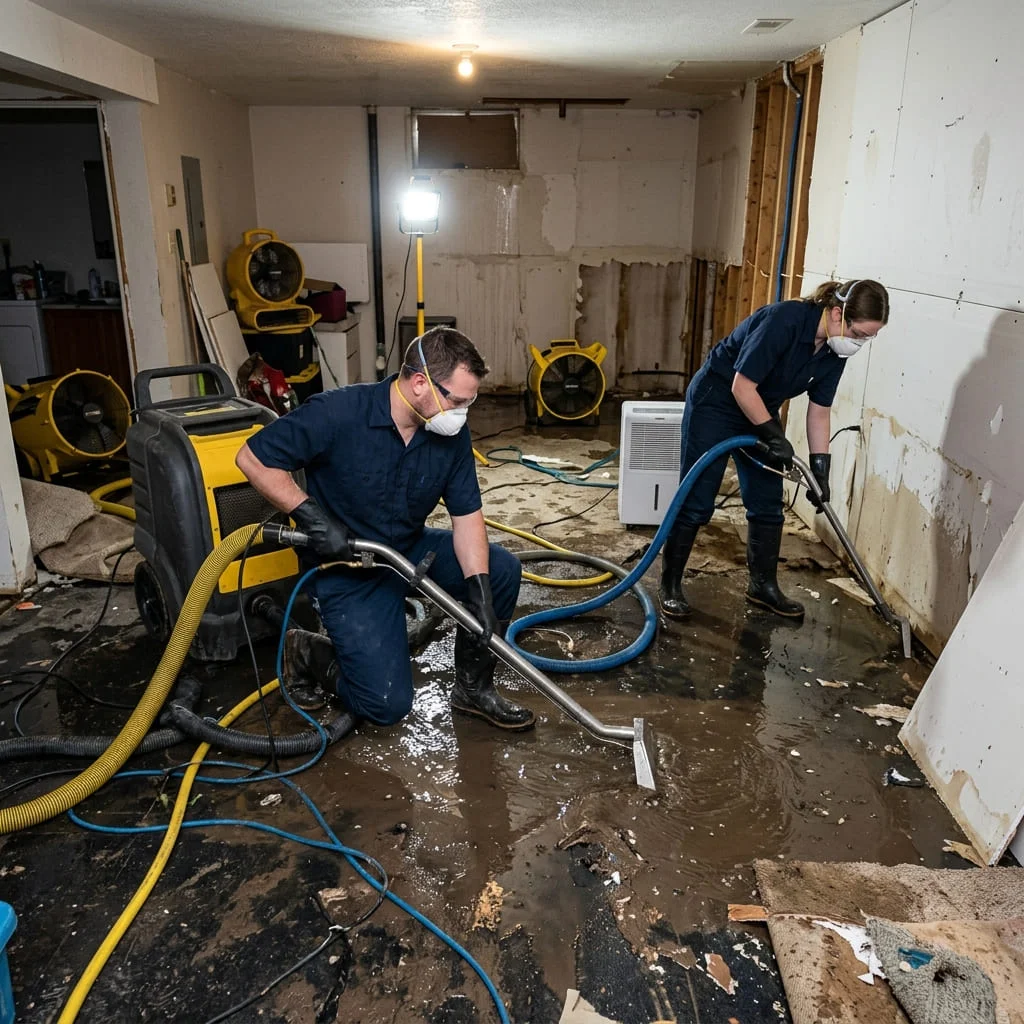
Comparing top-rated mold removal companies serving Gila Bend, ArizonaGila Bend takes its name from the sweeping bend the Gila River makes just north of town, and that river is the single most important fact about mold here. The town sits low in the surrounding terrain at the junction of Interstate 8 and State Route 85, and monsoon runoff arrives from a very large area upstream with nowhere much to go. Low-lying neighborhoods and mobile home parks have taken on water in serious storms more than once, and flood water is the fastest path to a mold problem there is — growth can begin within 24 to 48 hours.
Arizona Mold Pros compared the mold removal companies that cover Gila Bend so you are not calling down a list finding out one by one who will drive 65 miles southwest of Phoenix. Below you can weigh ratings, service range, and whether a firm handles emergency water damage restoration as well as mold remediation, which matters more here than in most of the valley. If the problem is already visible, or you are smelling something you cannot place, start with mold inspection and testing.
Last Updated: July 2026
Every company listed below is evaluated on customer reviews, Google ratings, licensing and insurance status, response time and availability, the range of mold services offered, and experience with Arizona-specific mold issues like monsoon moisture and swamp cooler condensation. We only feature companies that actively serve the Gila Bend area.
Verified Google ratings and the volume and consistency of homeowner reviews.
Companies that carry the licensing and insurance Arizona homeowners should expect.
How quickly a company can be on site — including 24/7 emergency coverage.
Inspection, testing, remediation, and water damage restoration under one roof.
Familiarity with monsoon moisture, swamp cooler condensation, and desert construction.
Only companies that actively serve the Gila Bend area make our list.
Certified mold specialists providing 24/7 emergency mold removal and remediation with transparent pricing, free inspections, and eco-friendly treatments.
Licensed general contractor specializing in mold remediation with a focus on thorough assessment and transparent communication throughout the process.
Licensed general contractor offering mold removal, testing, water damage restoration, and full reconstruction. One-stop-shop from detection to rebuild.
Local mold inspection and remediation specialists serving the entire Phoenix metro area with locations across Arizona.
National franchise with local Arizona teams providing 24/7 emergency mold removal and water damage restoration with same-day service.
| Service | Average Cost Range |
|---|---|
| Mold Inspection | $300 – $600 |
| Small Area Remediation (under 50 sq ft) | $1,500 – $3,500 |
| Medium Remediation (50–200 sq ft) | $3,500 – $6,000 |
| Full Home Remediation (200+ sq ft) | $5,000 – $10,000 |
| Attic Mold Removal | $2,000 – $6,000 |
| Crawl Space Mold Removal | $2,500 – $7,000 |
| Black Mold Removal | $3,000 – $8,000 |
| Commercial Mold Remediation | $5,000 – $25,000+ |
Costs in Gila Bend can vary depending on the size of the affected area, type of mold, accessibility, and whether structural repairs are needed. Arizona's dry climate means mold often concentrates around specific moisture sources — monsoon water intrusion, swamp cooler leaks, or plumbing failures — rather than spreading across entire homes. We recommend getting at least 3 quotes from licensed contractors to compare pricing.
Compare free quotes from top Gila Bend mold removal companiesFlooding is the defining risk. Because Gila Bend sits on comparatively flat, low ground near the river and its washes, heavy monsoon rain between July and September can arrive as sheet flow rather than as a rising creek, moving fast and pushing water under doors, through thresholds, and into ground-level rooms across whole blocks at once. Properties on the low side of a street and older mobile home parks are the most exposed, since a few inches of standing water is enough to saturate flooring, wall base, and insulation.
What matters after flood water is speed and thoroughness, not appearance. Water that soaked into drywall wicks upward well above the visible line, and carpet padding, subfloor, and wall cavities can stay wet for weeks under a surface that feels dry to the hand. Flood water is also not clean water, which changes the protocol — materials that absorbed it usually need removal rather than drying. Any storm event that put water inside should be treated as a restoration job immediately, not a wait-and-see.
The second factor is heat, which cuts both ways. Gila Bend is regularly among the hottest places in the country, and that extreme drives hard on cooling equipment. Refrigerated air conditioning produces condensate all summer, and when a condensate drain line clogs — which happens constantly in dusty desert conditions — the overflow goes into a ceiling, an air handler closet, or an attic platform. It is one of the most common causes of hidden mold in hot-climate homes, and it is completely invisible until a ceiling stains.
Ductwork does the same thing from a different direction. Cold supply air moving through an attic that may be well over 150 degrees in July causes condensation on any run where insulation has slumped, torn, or been disturbed by other work. That water drips onto the top of a ceiling and feeds a colony no one sees for a season. This is the standard path to attic mold removal in Gila Bend, and it does not require a single drop of rain.
Third is the building mix. Gila Bend is a working town rather than a bedroom suburb — there is older housing stock, a substantial share of manufactured homes, and a strip of motels, restaurants, and travel services along the I-8 corridor serving through traffic. Each category has its own weak point. Older homes carry aging plumbing and worn shower pans, manufactured homes have the skirted underfloor cavity that traps water beneath the belly wrap, and lodging and food service buildings have continuous plumbing loads, commercial kitchens, and guest rooms that sit closed and unconditioned between stays.
That last combination is a genuine mold incubator: a closed room with no air movement, a bathroom that stays damp, and a wall shared with a plumbing chase. Businesses along the corridor should treat a persistent musty odor in an unused room as a maintenance item requiring commercial mold removal, not an air freshener problem, since guest complaints and health concerns escalate quickly.

If water has come into the building, the clock is the thing you are fighting. Mold can establish within 24 to 48 hours on wet drywall, carpet padding, and cellulose insulation, and Gila Bend crews are coming from a distance — so what you do before anyone arrives genuinely changes the size of the job. If it is safe, cut power to affected circuits, get standing water out, pull up soaked carpet and padding rather than trying to dry it in place, and open the building up with fans moving air across wet surfaces.
Document everything before you remove it. Photograph the water line on each wall, the affected rooms, and the damaged contents, and keep a list of what you disposed of. Arizona homeowners policies generally treat sudden internal events such as a burst pipe differently from rising surface water, so the documentation matters for whichever claim path applies, and reputable restoration firms will produce moisture readings and a drying log that support it. That paperwork is worth asking about when you compare companies below.
When the contractor arrives, the question that separates a real remediation from a cosmetic one is how far above the visible water line they intend to remove material, and whether they will verify dryness with a meter rather than by touch. Flood water is category three water, so absorbent materials that took it on should come out rather than be dried and painted over. If growth has already started, insist that containment and HEPA filtration are set up before demolition begins so spores are not driven into clean parts of the building — the same standard behind proper black mold removal. Arizona Mold Pros can point you to a licensed contractor covering the area; you can also compare Arlington and Tonopah, or browse all service areas.
The most obvious sign is visible growth — black, green, or white spots spreading across walls and ceilings, under sinks, or around window frames. But mold in Gila Bend homes often hides, so a persistent musty or earthy odor in a bathroom, closet, or other enclosed space is just as important to take seriously. That smell usually means moisture is feeding something you can't yet see.
Context matters too. If your Gila Bend home has had recent water damage, flooding, or a plumbing leak, mold can begin growing within 24 to 48 hours. Watch for peeling paint, bubbling wallpaper, or discoloration on surfaces, and pay attention to condensation collecting on windows or walls. Unexplained respiratory symptoms, worsening allergies, or headaches that ease when you leave the house can also point to a hidden mold problem.
If you notice any of these signs in your Gila Bend home, contact a licensed mold remediation professional for an inspection before the problem spreads.
A quality mold removal company in Gila Bend starts with an inspection and assessment to identify the type of mold and the extent of the problem. Once the scope is clear, the crew contains the affected area with plastic sheeting and negative air pressure so spores don't spread to clean parts of the house, then runs HEPA air filtration to capture anything airborne.
From there, the actual remediation begins: physical removal of mold using antimicrobial treatments and scrubbing, followed by thorough drying and dehumidification of the affected areas. Any damaged materials — drywall, insulation, or flooring — are repaired or replaced, and reputable contractors finish with post-remediation testing to confirm mold levels are back to normal.
The best mold removal companies serving Gila Bend will provide a detailed scope of work and walk you through each step before starting any remediation.
Mold remediation is one of the few home services where the homeowner carries most of the verification burden. These four checks apply to every contractor on this page, and they are worth running before you sign anything.
Arizona does not issue a license specifically for mold remediation. Crews generally work under an Arizona Registrar of Contractors (ROC) license instead, which means verifying a contractor's ROC status and insurance is on the homeowner rather than on the state.
Check a license at the Arizona ROC →EPA guidance suggests that mold covering roughly more than 10 square feet is generally beyond a do-it-yourself cleanup and warrants professional remediation. Smaller patches can often be handled yourself — provided you have also fixed the moisture source feeding them.
EPA mold cleanup guidance →The ANSI/IICRC S520 standard is the widely recognized standard of care for professional mold remediation, covering containment, worker protection, and verification. A contractor who can tell you how their scope maps to it is giving you something you can hold them to.
Post-remediation verification confirms the work succeeded. Where the budget allows, have it performed by someone independent of the company that did the removal, so the party certifying the result is not the party being paid for it.
How this guide works. Arizona Mold Pros is a directory — we are not the remediation contractor and we do not perform the work ourselves. Listings are compiled from publicly available information about companies advertising mold services in the Gila Bend area, and ratings and review counts are approximate figures gathered from public sources that change over time, so verify them yourself before hiring. We may be compensated when a homeowner connects with a contractor through this site. That does not change the evaluation criteria above, and we recommend comparing at least three written scopes regardless of who you call.
It is the leading cause of mold problems in the area. Gila Bend sits low near the bend of the Gila River, and heavy monsoon rain can arrive as fast-moving sheet flow that pushes water into ground-level rooms across low-lying neighborhoods and mobile home parks. Wet drywall, carpet padding, and insulation can support growth within 24 to 48 hours, so anything that took on flood water needs attention immediately rather than after it looks dry.
Indirectly, yes. Extreme summer heat pushes air conditioning equipment hard, and the condensate it produces has to drain somewhere. Clogged condensate lines overflow into ceilings, air handler closets, and attic platforms, and cold supply ducts running through a superheated attic sweat wherever insulation has slumped or torn. Both drip onto materials above a ceiling where nothing is visible until a stain appears, which is why hot dry climates still see plenty of hidden mold.
Often, and for a specific reason. Guest rooms that sit closed and unconditioned between stays have no air movement, a bathroom that stays damp, and frequently a wall shared with a plumbing chase, which is close to ideal conditions for growth. Commercial work also has to be scoped around staying open, so ask contractors how they phase containment room by room and whether they provide post-remediation verification you can show guests or an insurer.
Mold removal costs in Gila Bend typically range from $1,500 for small areas to $10,000 or more for full-home remediation. The exact cost depends on the size of the affected area, type of mold, and whether structural repairs are needed. We recommend getting at least 3 quotes from licensed contractors.
Most residential mold remediation jobs in Gila Bend take 1 to 5 days. Larger projects involving multiple rooms, extensive water damage, or structural repairs can take up to 2 weeks. Your contractor should provide a timeline before work begins.
It depends on the cause. Arizona homeowners insurance typically covers mold remediation if the mold resulted from a sudden, accidental event like a burst pipe or storm damage. Mold caused by ongoing neglect, deferred maintenance, or pre-existing conditions is usually not covered. Check with your insurance provider for specifics.
Yes. Despite Arizona's dry climate, black mold (Stachybotrys chartarum) can develop anywhere with persistent moisture — bathrooms, attics, crawl spaces, and behind walls near plumbing. Monsoon season, swamp coolers, and water heater failures are common causes of black mold growth in Gila Bend homes.
It depends on the severity. For small, contained areas, you can usually stay home while the remediation crew works. For larger projects involving multiple rooms or HVAC system contamination, temporary relocation may be recommended — especially for households with children, elderly family members, or anyone with respiratory conditions.
Fix the moisture source first — that's the number one priority. After that, improve ventilation in bathrooms and kitchens, use exhaust fans, consider a dehumidifier for enclosed spaces, and schedule regular inspections especially before and after monsoon season (July through September). In Gila Bend, pay extra attention to swamp cooler areas and any rooms adjacent to exterior plumbing.
Don't wait for mold to spread. Compare the top-rated mold removal contractors serving Gila Bend and the surrounding area. Get your free estimate today — no obligation, no pressure.
Call Now for Free QuotesFree estimates · No obligation · Licensed contractors