
A landlord who won't return calls about a mold problem puts a tenant in a genuinely difficult spot — pay to fix someone else's property, live with it, or risk the lease over it. Arizona law actually gives tenants a defined process for this, with specific timeframes a landlord has to meet. Most tenants have never heard of it because it only comes up when something has already gone wrong.
This is general information about how that process works under Arizona law, not legal advice for your specific lease — for anything heading toward withheld rent or a termination notice, confirm the details with an attorney or a tenant legal aid organization before you act.
The Landlord's Legal Obligation
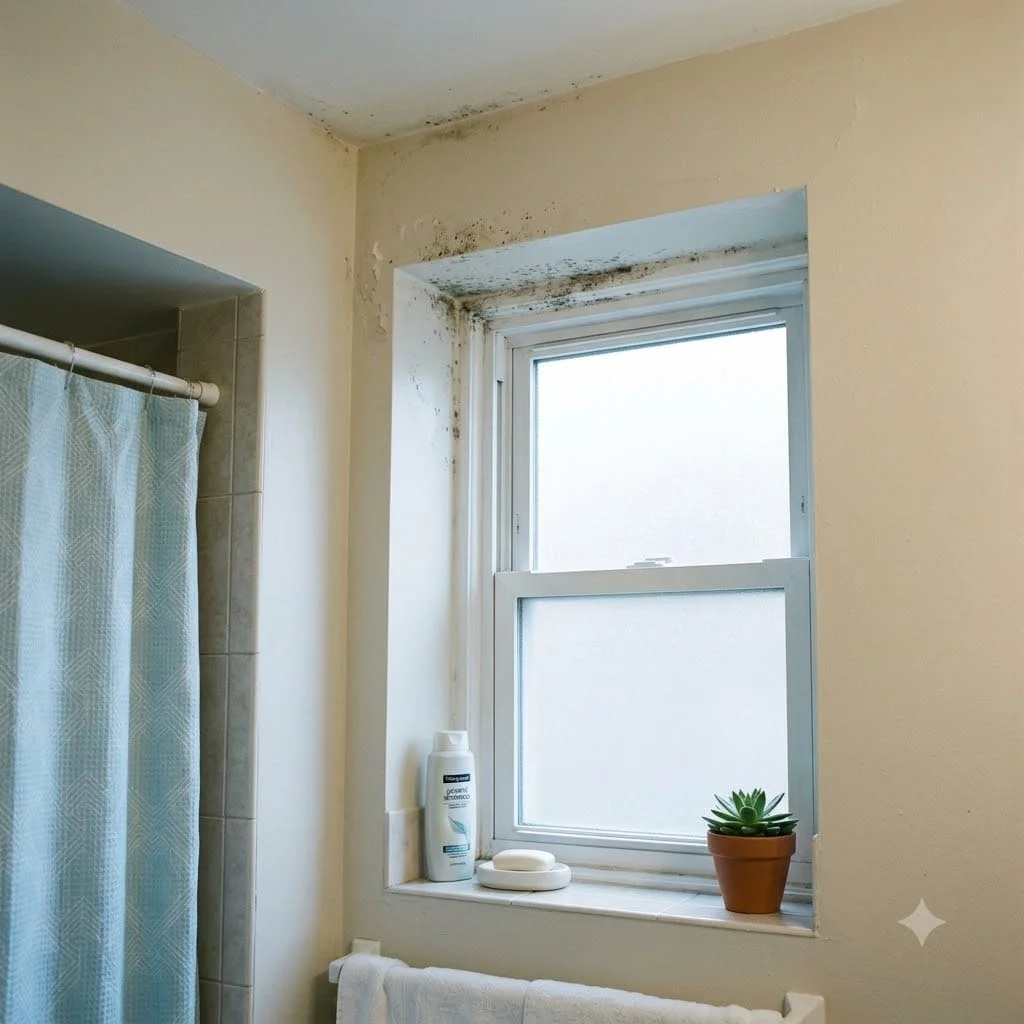 Rental apartment bedroom with a visible corner of mold growth near a ceiling and window frame
Under the Arizona Residential Landlord and Tenant Act, a landlord has to maintain the property in a condition that is fit and habitable. That standard covers structural issues, plumbing, and conditions — like mold tied to a moisture problem — that affect a tenant's health and safety. This obligation exists independent of the lease. A clause that tries to shift all repair responsibility onto the tenant generally does not override it.
That said, "the landlord has to fix it" and "the landlord will fix it without being asked" are different things. The law gives tenants leverage, but that leverage only works if you use the actual notice process — which starts with something in writing.
The Notice Process, Step by Step
| Step | Timeframe | What it does |
|---|---|---|
| Written notice to the landlord | Day 0 | Starts the clock. Describe the mold, its location, and when you first noticed it. |
| Landlord's window to repair | 10 days | The statutory period a landlord has to address the issue once notice is received. |
| Self-help repair and deduct | After day 10, if repair cost is under ~½ month's rent or $300 (whichever is greater) | Tenant can hire a licensed contractor, pay for the repair, and deduct the cost from the next month's rent. |
| 5-day notice to terminate | After day 10, if the issue affects health and safety and remains unresolved | Tenant can deliver formal notice of intent to end the lease over the unresolved condition. |
Keep the paper trail. Every step above depends on being able to show when notice was given and what it said. A text message with a timestamp and photos works. A conversation in the parking lot does not, if it's ever disputed later.
Building the Written Notice
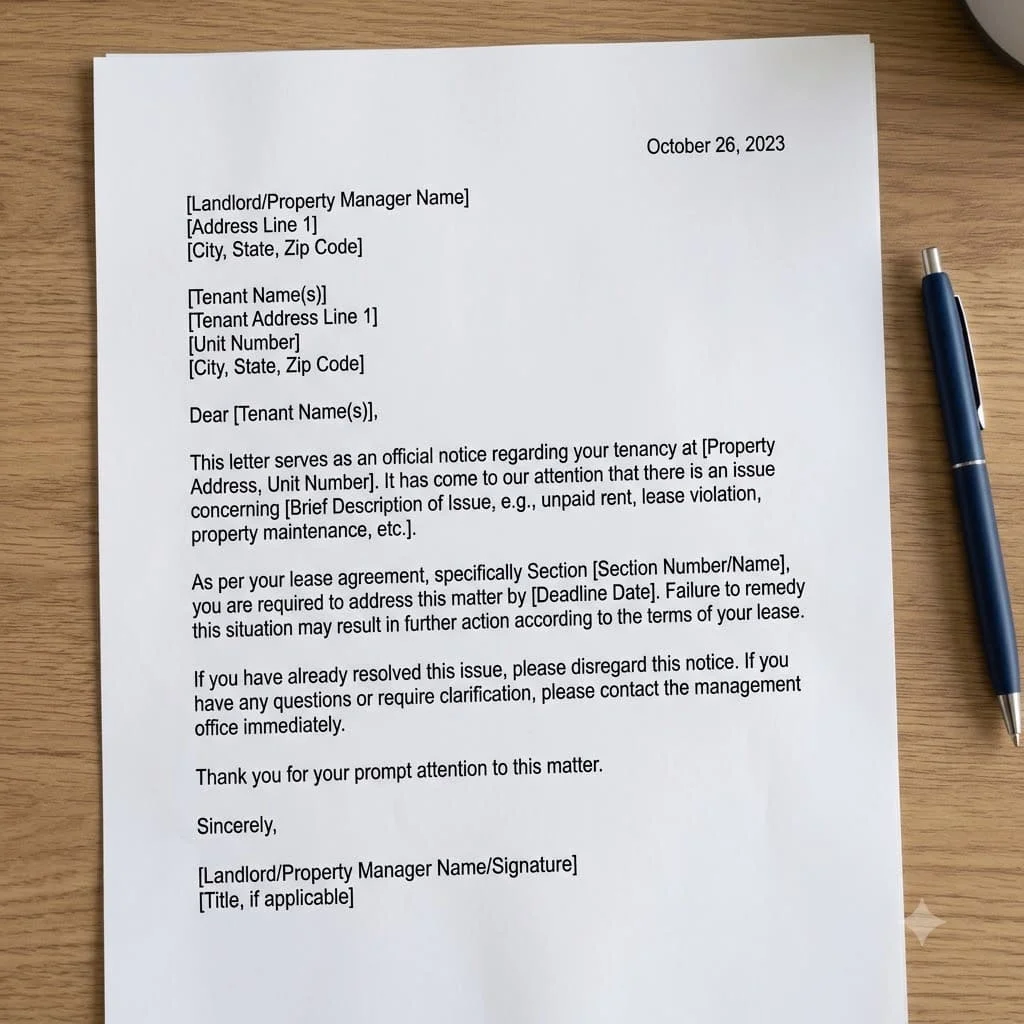 Hand writing a dated notice letter about a maintenance issue at a kitchen table
A notice that actually holds up specifies:
- Exact location — which room, which wall, near which fixture or window
- When you first noticed it and whether it followed a specific event, like a leak or a storm
- What you're asking for — an inspection, a repair, or both
- A reasonable timeframe referencing the law's 10-day window
- Photos attached or referenced, ideally dated
If the mold is behind a wall or in a spot you can't fully assess yourself, an independent mold inspection turns "there's a smell in the closet" into a documented report with moisture readings and a defined scope — evidence that is much harder for a landlord to dispute than a description over the phone.
Where This Comes Up Most
Rental-heavy markets see this pattern more than owner-occupied neighborhoods, simply because there are more units where a tenant has to rely on someone else to make the repair. The dense rental stock around Tempe, driven heavily by the university market, turns over tenants often enough that a slow leak can go unreported by more than one resident. Older apartment and duplex stock across Mesa and Phoenix carries plumbing and roofing well past the age where owner-occupied homes would typically have had it replaced — which is exactly the housing stock where this notice process gets used the most.
Arizona Mold Pros is a directory, not a legal service or a remediation contractor — what we do is compare independent mold inspection specialists so tenants have a documented report to bring to a landlord, a property manager, or small claims court if it comes to that. Call for free, no-obligation quotes from inspectors serving your area.